Related Company: James Cowper Kreston

Change, Culture and Courage: What Business Leaders Are Really Talking About

24th Jun 2026

Insights from the latest B4 Corum Six discussion hosted by James Cowper Kreston

On the back of the Prime Minister’s resignation this week, change is a constant topic in business, but that doesn’t make it any easier.

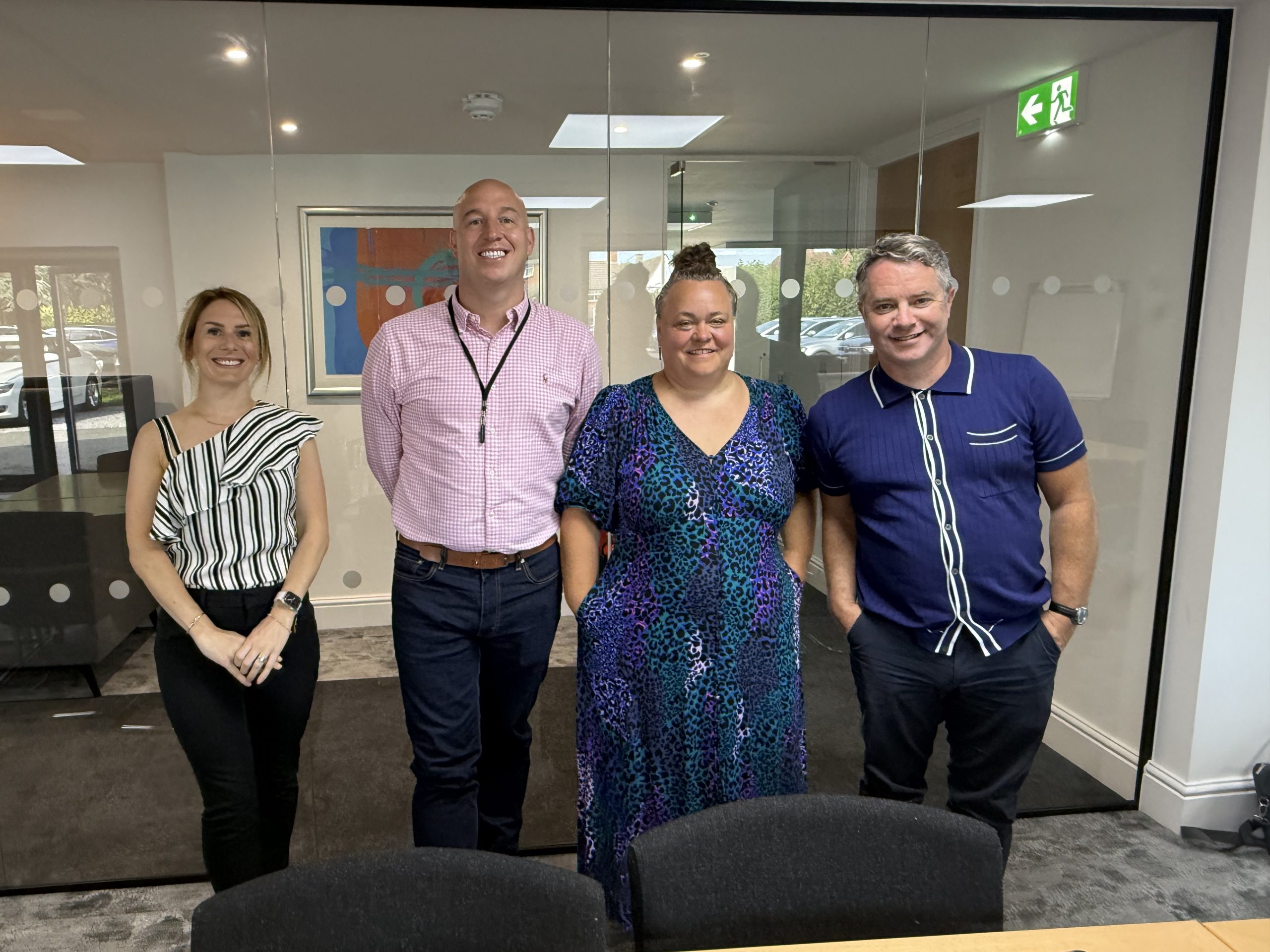
At the latest B4 Corum Six discussion, hosted by James Pitt, Partner at James Cowper Kreston in Oxford, a diverse group of business leaders came together to discuss one of the most pressing issues facing organisations today: how to successfully navigate change whilst bringing people with you.

Representing organisations ranging from professional services and financial planning to advanced manufacturing and local authority-owned businesses, the group quickly discovered that while their sectors may differ dramatically, many of their leadership challenges are remarkably similar.

The conversation began with an important question posed by James Pitt: What would your employees say is the biggest transformation happening in your organisation today, and would their answer be the same as yours?

The responses revealed an interesting disconnect.

For many leaders, the biggest changes are strategic and often invisible to employees. New business models, cultural shifts, succession planning, governance reforms and long-term positioning dominate boardroom discussions. Yet employees frequently experience change through a different lens: new systems, new colleagues, new processes and new ways of working.

Sarah Jaycock, Co-Founder of High Spec Composites, reflected on the significant strategic changes taking place within her business as it prepares for future growth.

“Our biggest change at the moment is strategy and how the business is actually run,” she explained. “But would our team say that’s the biggest change? Probably not. They’re seeing the new clients, the recruitment changes and some of the practical changes happening around them.”

That distinction resonated with many around the table.

Technology is Changing Everything — But People Remain Central

Unsurprisingly, artificial intelligence featured heavily in the discussion.

Several organisations are already implementing AI tools to improve efficiency, reduce risk and streamline administrative processes. However, the consensus was clear: AI is not replacing relationships.

Alexandra Wise, CEO of Wise Investment, described how the firm is using specialist AI tools to assist with meeting notes and reporting processes in a highly regulated environment.

“It’s about making us more efficient and reducing risk,” he said. “It’s not about replacing the personal service that clients value.”

For James Cowper Kreston, the challenge is similar. Technology can automate routine processes, but the future value of the profession increasingly lies in advice, relationships and helping clients navigate complexity.

The discussion highlighted an important point: whilst technology may transform how work gets done, trust remains the foundation upon which successful businesses are built.

Why Change Often Fails

One of the most revealing parts of the conversation focused on why change initiatives succeed or fail.

Participants shared examples of software implementations, operational restructuring and organisational transformation projects. The common lesson was that change rarely fails because of technology.

It fails because of people.

Communication, engagement and ownership repeatedly emerged as the determining factors.

James Pitt spoke about lessons learned from technology projects within his own organisation, highlighting the importance of creating “champions” throughout the business rather than relying solely on top-down directives.

Successful implementation depended on regular communication, ongoing support, practical training and giving employees the confidence to embrace new ways of working.

Others agreed.

Several leaders noted that the role of middle management can often determine whether change gains momentum or encounters resistance. Some organisations had invested heavily in developing management capability, whilst others had simplified structures entirely after discovering that management layers were unintentionally slowing progress.

The challenge, many agreed, is finding leaders who can balance accountability with relationships and guide teams through uncertainty.

The Courage to Challenge Conventional Wisdom

Perhaps the most thought-provoking part of the discussion centred on growth.

In an era where many businesses are encouraged to scale rapidly, seek investment or pursue acquisition opportunities, several participants questioned whether bigger automatically means better.

Wise Investment, an employee-owned business approaching its 35th anniversary, has consciously chosen a different path.

Rather than pursuing aggressive expansion or external investment, the organisation remains focused on sustainable growth, long-term stewardship and preserving its culture.

Alexandra admitted that occasionally she wonders whether the business is missing something when so many competitors are consolidating and growing through acquisition.

However, the discussion quickly turned to a broader question.

Why grow?

If a business is profitable, provides excellent service, creates fulfilling careers and delivers value to clients, what exactly is the objective of scaling at all costs?

The room shared a refreshing perspective. Growth should be a strategic choice, not an automatic ambition.

Ben Dudley, Commercial Director at Oxford Direct Services pointed out that many businesses pursue growth without clearly understanding why they are doing it.

The leaders around the table agreed that successful organisations must understand their purpose before deciding their future direction.

Trust, Openness and Shared Experience

Underlying the entire discussion was a theme that has become increasingly important within the B4 community: trust.

Participants spoke about the value of forums such as B4’s CEO Circle and Corum sessions, where leaders can discuss real challenges in complete confidence.

The ability to be vulnerable, ask difficult questions and receive honest feedback from peers was seen as one of the most valuable aspects of leadership development.

As businesses face accelerating technological change, economic uncertainty and shifting workforce expectations, many leaders acknowledged that they do not have all the answers.

What they do have is a trusted network of peers willing to share experiences, challenge assumptions and offer support.

In a business environment where change is inevitable, that may prove to be one of the most valuable assets of all.

B4 Corum is a series of confidential peer-to-peer discussions bringing together business leaders from across the B4 community to share experiences, challenges and ideas in a trusted environment.

With thanks to Lizzie Uzzell for organising.

See more about:

James Cowper Kreston           www.b4-business.com/company/james-cowper-kreston/

Corum                                        www.b4-business.com/resources/corum/

Back to news

Change, Culture and Courage: What Business Leaders Are Really Talking About

24th Jun 2026
Related Company: James Cowper Kreston

Insights from the latest B4 Corum Six discussion hosted by James Cowper Kreston

On the back of the Prime Minister’s resignation this week, change is a constant topic in business, but that doesn’t make it any easier.

At the latest B4 Corum Six discussion, hosted by James Pitt, Partner at James Cowper Kreston in Oxford, a diverse group of business leaders came together to discuss one of the most pressing issues facing organisations today: how to successfully navigate change whilst bringing people with you.

Representing organisations ranging from professional services and financial planning to advanced manufacturing and local authority-owned businesses, the group quickly discovered that while their sectors may differ dramatically, many of their leadership challenges are remarkably similar.

The conversation began with an important question posed by James Pitt: What would your employees say is the biggest transformation happening in your organisation today, and would their answer be the same as yours?

The responses revealed an interesting disconnect.

For many leaders, the biggest changes are strategic and often invisible to employees. New business models, cultural shifts, succession planning, governance reforms and long-term positioning dominate boardroom discussions. Yet employees frequently experience change through a different lens: new systems, new colleagues, new processes and new ways of working.

Sarah Jaycock, Co-Founder of High Spec Composites, reflected on the significant strategic changes taking place within her business as it prepares for future growth.

“Our biggest change at the moment is strategy and how the business is actually run,” she explained. “But would our team say that’s the biggest change? Probably not. They’re seeing the new clients, the recruitment changes and some of the practical changes happening around them.”

That distinction resonated with many around the table.

Technology is Changing Everything — But People Remain Central

Unsurprisingly, artificial intelligence featured heavily in the discussion.

Several organisations are already implementing AI tools to improve efficiency, reduce risk and streamline administrative processes. However, the consensus was clear: AI is not replacing relationships.

Alexandra Wise, CEO of Wise Investment, described how the firm is using specialist AI tools to assist with meeting notes and reporting processes in a highly regulated environment.

“It’s about making us more efficient and reducing risk,” he said. “It’s not about replacing the personal service that clients value.”

For James Cowper Kreston, the challenge is similar. Technology can automate routine processes, but the future value of the profession increasingly lies in advice, relationships and helping clients navigate complexity.

The discussion highlighted an important point: whilst technology may transform how work gets done, trust remains the foundation upon which successful businesses are built.

Why Change Often Fails

One of the most revealing parts of the conversation focused on why change initiatives succeed or fail.

Participants shared examples of software implementations, operational restructuring and organisational transformation projects. The common lesson was that change rarely fails because of technology.

It fails because of people.

Communication, engagement and ownership repeatedly emerged as the determining factors.

James Pitt spoke about lessons learned from technology projects within his own organisation, highlighting the importance of creating “champions” throughout the business rather than relying solely on top-down directives.

Successful implementation depended on regular communication, ongoing support, practical training and giving employees the confidence to embrace new ways of working.

Others agreed.

Several leaders noted that the role of middle management can often determine whether change gains momentum or encounters resistance. Some organisations had invested heavily in developing management capability, whilst others had simplified structures entirely after discovering that management layers were unintentionally slowing progress.

The challenge, many agreed, is finding leaders who can balance accountability with relationships and guide teams through uncertainty.

The Courage to Challenge Conventional Wisdom

Perhaps the most thought-provoking part of the discussion centred on growth.

In an era where many businesses are encouraged to scale rapidly, seek investment or pursue acquisition opportunities, several participants questioned whether bigger automatically means better.

Wise Investment, an employee-owned business approaching its 35th anniversary, has consciously chosen a different path.

Rather than pursuing aggressive expansion or external investment, the organisation remains focused on sustainable growth, long-term stewardship and preserving its culture.

Alexandra admitted that occasionally she wonders whether the business is missing something when so many competitors are consolidating and growing through acquisition.

However, the discussion quickly turned to a broader question.

Why grow?

If a business is profitable, provides excellent service, creates fulfilling careers and delivers value to clients, what exactly is the objective of scaling at all costs?

The room shared a refreshing perspective. Growth should be a strategic choice, not an automatic ambition.

Ben Dudley, Commercial Director at Oxford Direct Services pointed out that many businesses pursue growth without clearly understanding why they are doing it.

The leaders around the table agreed that successful organisations must understand their purpose before deciding their future direction.

Trust, Openness and Shared Experience

Underlying the entire discussion was a theme that has become increasingly important within the B4 community: trust.

Participants spoke about the value of forums such as B4’s CEO Circle and Corum sessions, where leaders can discuss real challenges in complete confidence.

The ability to be vulnerable, ask difficult questions and receive honest feedback from peers was seen as one of the most valuable aspects of leadership development.

As businesses face accelerating technological change, economic uncertainty and shifting workforce expectations, many leaders acknowledged that they do not have all the answers.

What they do have is a trusted network of peers willing to share experiences, challenge assumptions and offer support.

In a business environment where change is inevitable, that may prove to be one of the most valuable assets of all.

B4 Corum is a series of confidential peer-to-peer discussions bringing together business leaders from across the B4 community to share experiences, challenges and ideas in a trusted environment.

With thanks to Lizzie Uzzell for organising.

See more about:

James Cowper Kreston           www.b4-business.com/company/james-cowper-kreston/

Corum                                        www.b4-business.com/resources/corum/

Back to news