Small but Mighty: Lauren Kendall on the Growing Impact of Survivor Space
Related Company: Survivor Space Oxfordshire

Small but Mighty: Lauren Kendall on the Growing Impact of Survivor Space

29th Sep 2026

With a team of around 15 people supporting survivors of sexual violence across Oxfordshire, Survivor Space describes itself as “small but mighty”. CEO Lauren Kendall spoke to B4 about the charity’s expanding reach, the extraordinary demand for its services and how Oxfordshire businesses can make a meaningful difference.

There are some organisations whose size bears little relation to the scale of the job they are trying to do.

Survivor Space is one of them.

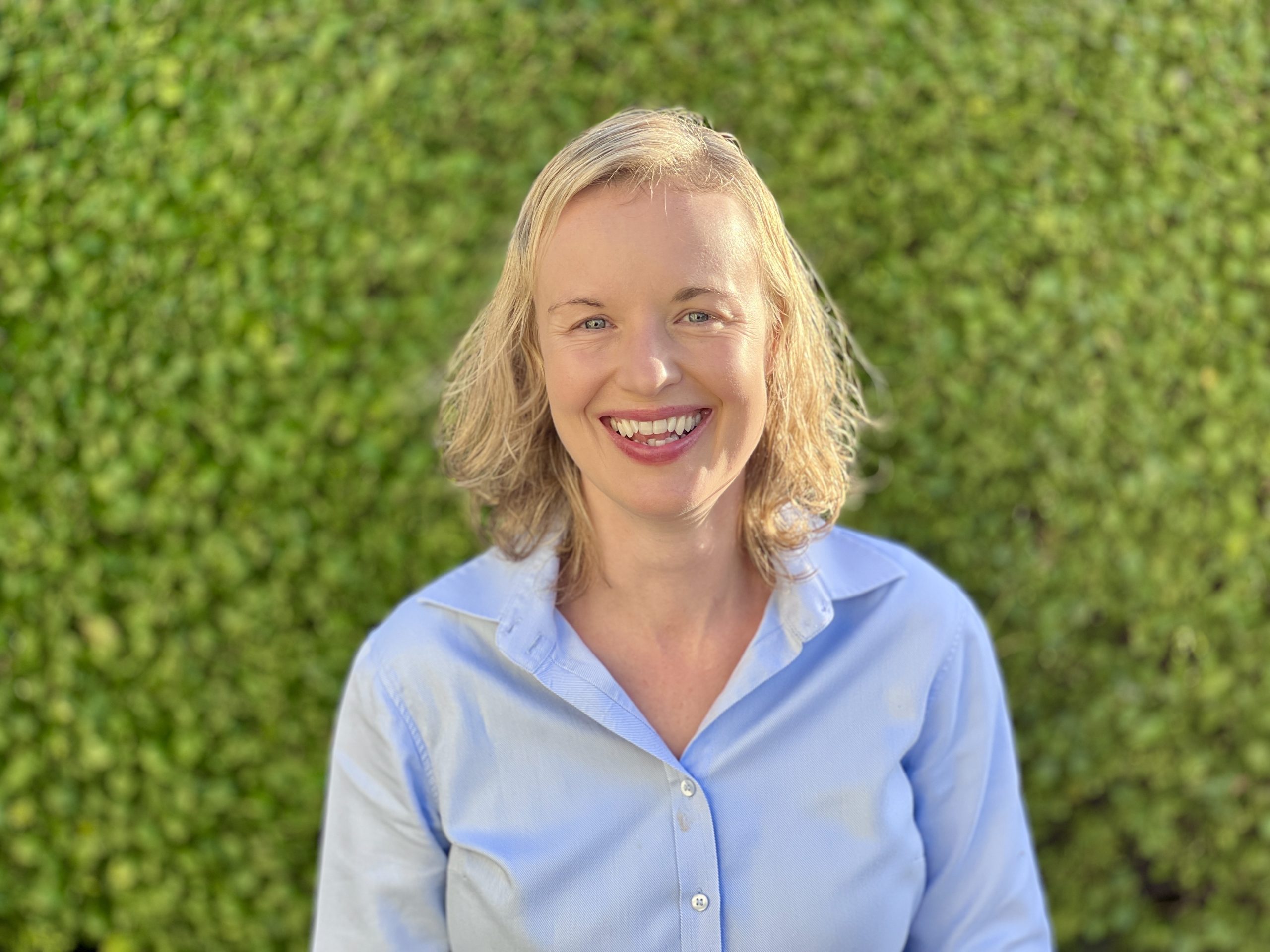
“We quite often describe our charity as small but mighty,” says CEO Lauren Kendall. “We are a team of around 15 people, and those 15 people, along with our amazing volunteers, support survivors across Oxfordshire, so it’s a massive area that we’re trying to cover.”

Over recent years, the charity itself has evolved significantly. Following its rebrand, Survivor Space now supports people of all genders, including men and boys who have experienced sexual violence.

It means a relatively small team is supporting an increasingly diverse group of people, often dealing with complex trauma and circumstances requiring specialist, long-term support.

Demand that far exceeds capacity

One of Survivor Space’s most important services is specialist counselling.

It is also one of its most stretched.

Demand is such that people referred for counselling can currently face a wait of at least a year and, in some circumstances, up to two years.

The problem is not a shortage of demand or expertise. It is resources.

Survivor Space currently has five counsellors, not all working full-time, and Lauren says increasing the number of counselling hours available remains one of the charity’s key funding priorities.

For someone who has experienced sexual violence, reaching the point where they are ready to ask for help can itself be enormously difficult. Being able to provide that specialist support sooner can therefore make a profound difference.

Alongside counselling, Survivor Space’s advocacy team supports survivors navigating other aspects of their experience, including the criminal justice system. The longer those processes take, the longer that support may be required.

It is why additional sustainable funding can translate very directly into additional capacity.

More funding means more counselling hours.

More counselling hours mean more people receiving specialist help sooner.

The power of corporate partnerships

There are encouraging examples of Oxfordshire businesses already stepping forward.

Survivor Space was previously selected as Savills’ Charity of the Year and is currently Mills & Reeve’s Charity of the Year.

Lauren describes the relationship with Mills & Reeve as particularly valuable. It actually began through B4, when Lauren met Peter from the firm at a B4 lunch at Brasserie Blanc.

The relationship developed before Survivor Space became the firm’s Charity of the Year, with Mills & Reeve helping the charity with events and other support.

It is a good example of what can happen when businesses and charities are given the opportunity simply to meet.

Not every introduction needs to begin with a fundraising request. Relationships can develop through expertise, contacts, practical assistance, awareness and eventually more substantial partnerships.

Survivor Space has also benefited from the support of local funders, helping the charity strengthen its financial resilience and build reserves.

For a small organisation working in an area of consistently high demand, that resilience matters enormously.

What can businesses do?

The obvious answer is donate — and every contribution counts.

Survivor Space has a giving page through its website, while individuals and teams can also raise money through their own activities, from bake sales to sponsored challenges.

But Lauren is keen that businesses understand that support does not have to begin and end with writing a cheque.

Visibility matters.

Inviting Survivor Space into conversations matters.

Sharing its work matters.

Making introductions matters.

Choosing the organisation as a charity partner can matter.

And there is another way in which businesses can engage which provides direct value to their own teams.

Survivor Space offers specialist sexual violence and sexual harassment training for organisations.

Lauren is keen to distinguish this from the short online training modules which can sometimes become little more than a compliance exercise.

The charity can provide substantive, in-person training drawing on its specialist knowledge and frontline experience.

For employers serious about creating safer workplaces, supporting employees and giving managers greater confidence around difficult subjects, that expertise could be invaluable.

Turning connections into action

The conversation with Lauren also demonstrated something important about the role a business community can play.

During the discussion, Lauren mentioned that Survivor Space is interested in exploring legacy giving and potentially working with a law firm around initiatives such as free-will schemes.

That immediately opened up the possibility of conversations with legal firms within the B4 community.

It is a relatively small example, but an important one.

Sometimes what a charity needs isn’t another fundraising event. It needs the right introduction, expertise or platform.

For a small team, time is itself an incredibly valuable resource. Lauren explained that putting on events can require considerable staff time without necessarily translating into the support the charity needs.

The challenge for the business community is therefore not simply to ask charities to do more.

It is to ask:

What can we do that would genuinely help?

Bringing Survivor Space into the B4 PEOPLE conversation

One immediate outcome is that Lauren has agreed to join the next B4 PEOPLE Ecosystem at B4 HQ on 19 November, where she will have an opportunity to talk directly about Survivor Space and its work.

It feels like a particularly appropriate audience.

Sexual harassment, workplace culture, employee wellbeing, safeguarding and how organisations respond when someone discloses a traumatic experience are all people issues.

Creating greater understanding amongst HR professionals, business owners and leaders can therefore have an impact far beyond fundraising alone.

A small team making a very big difference

There is no disguising the scale of the challenge facing Survivor Space.

Demand for specialist support is substantial and the resources available to provide it are finite.

But that shouldn’t obscure the positive story.

A team of around 15 people is providing specialist support across Oxfordshire. The charity has broadened who it can help. It has developed important corporate relationships. It has strengthened its financial resilience. And it continues to look for ways to reach more survivors and provide support sooner.

For B4 members, perhaps the most useful response isn’t simply to read Lauren’s story and think, what an important charity.

It is to consider whether there is something practical you can do.

Could your business provide funding?

Could you choose Survivor Space as a charity partner?

Could your team benefit from its specialist training?

Could you fund additional counselling hours?

Could you make an introduction?

Or could you simply use your own platform to help more people understand that Survivor Space is there?

Because for a charity that is genuinely small but mighty, one new relationship can go a very long way.

To find out more about Survivor Space, its work, training and ways to support the charity, visit the Survivor Space website at www.survivorspace.org.uk

Become a B4 member 

Back to news

Small but Mighty: Lauren Kendall on the Growing Impact of Survivor Space

29th Sep 2026
Small but Mighty: Lauren Kendall on the Growing Impact of Survivor Space
Related Company: Survivor Space Oxfordshire

With a team of around 15 people supporting survivors of sexual violence across Oxfordshire, Survivor Space describes itself as “small but mighty”. CEO Lauren Kendall spoke to B4 about the charity’s expanding reach, the extraordinary demand for its services and how Oxfordshire businesses can make a meaningful difference.

There are some organisations whose size bears little relation to the scale of the job they are trying to do.

Survivor Space is one of them.

“We quite often describe our charity as small but mighty,” says CEO Lauren Kendall. “We are a team of around 15 people, and those 15 people, along with our amazing volunteers, support survivors across Oxfordshire, so it’s a massive area that we’re trying to cover.”

Over recent years, the charity itself has evolved significantly. Following its rebrand, Survivor Space now supports people of all genders, including men and boys who have experienced sexual violence.

It means a relatively small team is supporting an increasingly diverse group of people, often dealing with complex trauma and circumstances requiring specialist, long-term support.

Demand that far exceeds capacity

One of Survivor Space’s most important services is specialist counselling.

It is also one of its most stretched.

Demand is such that people referred for counselling can currently face a wait of at least a year and, in some circumstances, up to two years.

The problem is not a shortage of demand or expertise. It is resources.

Survivor Space currently has five counsellors, not all working full-time, and Lauren says increasing the number of counselling hours available remains one of the charity’s key funding priorities.

For someone who has experienced sexual violence, reaching the point where they are ready to ask for help can itself be enormously difficult. Being able to provide that specialist support sooner can therefore make a profound difference.

Alongside counselling, Survivor Space’s advocacy team supports survivors navigating other aspects of their experience, including the criminal justice system. The longer those processes take, the longer that support may be required.

It is why additional sustainable funding can translate very directly into additional capacity.

More funding means more counselling hours.

More counselling hours mean more people receiving specialist help sooner.

The power of corporate partnerships

There are encouraging examples of Oxfordshire businesses already stepping forward.

Survivor Space was previously selected as Savills’ Charity of the Year and is currently Mills & Reeve’s Charity of the Year.

Lauren describes the relationship with Mills & Reeve as particularly valuable. It actually began through B4, when Lauren met Peter from the firm at a B4 lunch at Brasserie Blanc.

The relationship developed before Survivor Space became the firm’s Charity of the Year, with Mills & Reeve helping the charity with events and other support.

It is a good example of what can happen when businesses and charities are given the opportunity simply to meet.

Not every introduction needs to begin with a fundraising request. Relationships can develop through expertise, contacts, practical assistance, awareness and eventually more substantial partnerships.

Survivor Space has also benefited from the support of local funders, helping the charity strengthen its financial resilience and build reserves.

For a small organisation working in an area of consistently high demand, that resilience matters enormously.

What can businesses do?

The obvious answer is donate — and every contribution counts.

Survivor Space has a giving page through its website, while individuals and teams can also raise money through their own activities, from bake sales to sponsored challenges.

But Lauren is keen that businesses understand that support does not have to begin and end with writing a cheque.

Visibility matters.

Inviting Survivor Space into conversations matters.

Sharing its work matters.

Making introductions matters.

Choosing the organisation as a charity partner can matter.

And there is another way in which businesses can engage which provides direct value to their own teams.

Survivor Space offers specialist sexual violence and sexual harassment training for organisations.

Lauren is keen to distinguish this from the short online training modules which can sometimes become little more than a compliance exercise.

The charity can provide substantive, in-person training drawing on its specialist knowledge and frontline experience.

For employers serious about creating safer workplaces, supporting employees and giving managers greater confidence around difficult subjects, that expertise could be invaluable.

Turning connections into action

The conversation with Lauren also demonstrated something important about the role a business community can play.

During the discussion, Lauren mentioned that Survivor Space is interested in exploring legacy giving and potentially working with a law firm around initiatives such as free-will schemes.

That immediately opened up the possibility of conversations with legal firms within the B4 community.

It is a relatively small example, but an important one.

Sometimes what a charity needs isn’t another fundraising event. It needs the right introduction, expertise or platform.

For a small team, time is itself an incredibly valuable resource. Lauren explained that putting on events can require considerable staff time without necessarily translating into the support the charity needs.

The challenge for the business community is therefore not simply to ask charities to do more.

It is to ask:

What can we do that would genuinely help?

Bringing Survivor Space into the B4 PEOPLE conversation

One immediate outcome is that Lauren has agreed to join the next B4 PEOPLE Ecosystem at B4 HQ on 19 November, where she will have an opportunity to talk directly about Survivor Space and its work.

It feels like a particularly appropriate audience.

Sexual harassment, workplace culture, employee wellbeing, safeguarding and how organisations respond when someone discloses a traumatic experience are all people issues.

Creating greater understanding amongst HR professionals, business owners and leaders can therefore have an impact far beyond fundraising alone.

A small team making a very big difference

There is no disguising the scale of the challenge facing Survivor Space.

Demand for specialist support is substantial and the resources available to provide it are finite.

But that shouldn’t obscure the positive story.

A team of around 15 people is providing specialist support across Oxfordshire. The charity has broadened who it can help. It has developed important corporate relationships. It has strengthened its financial resilience. And it continues to look for ways to reach more survivors and provide support sooner.

For B4 members, perhaps the most useful response isn’t simply to read Lauren’s story and think, what an important charity.

It is to consider whether there is something practical you can do.

Could your business provide funding?

Could you choose Survivor Space as a charity partner?

Could your team benefit from its specialist training?

Could you fund additional counselling hours?

Could you make an introduction?

Or could you simply use your own platform to help more people understand that Survivor Space is there?

Because for a charity that is genuinely small but mighty, one new relationship can go a very long way.

To find out more about Survivor Space, its work, training and ways to support the charity, visit the Survivor Space website at www.survivorspace.org.uk

Become a B4 member 

Back to news