Jeremy1 scaled
Related Company: Oxford Innovation Space

The end of spam? Oxford entrepreneur argues AI should make sales more human

25th Aug 2026

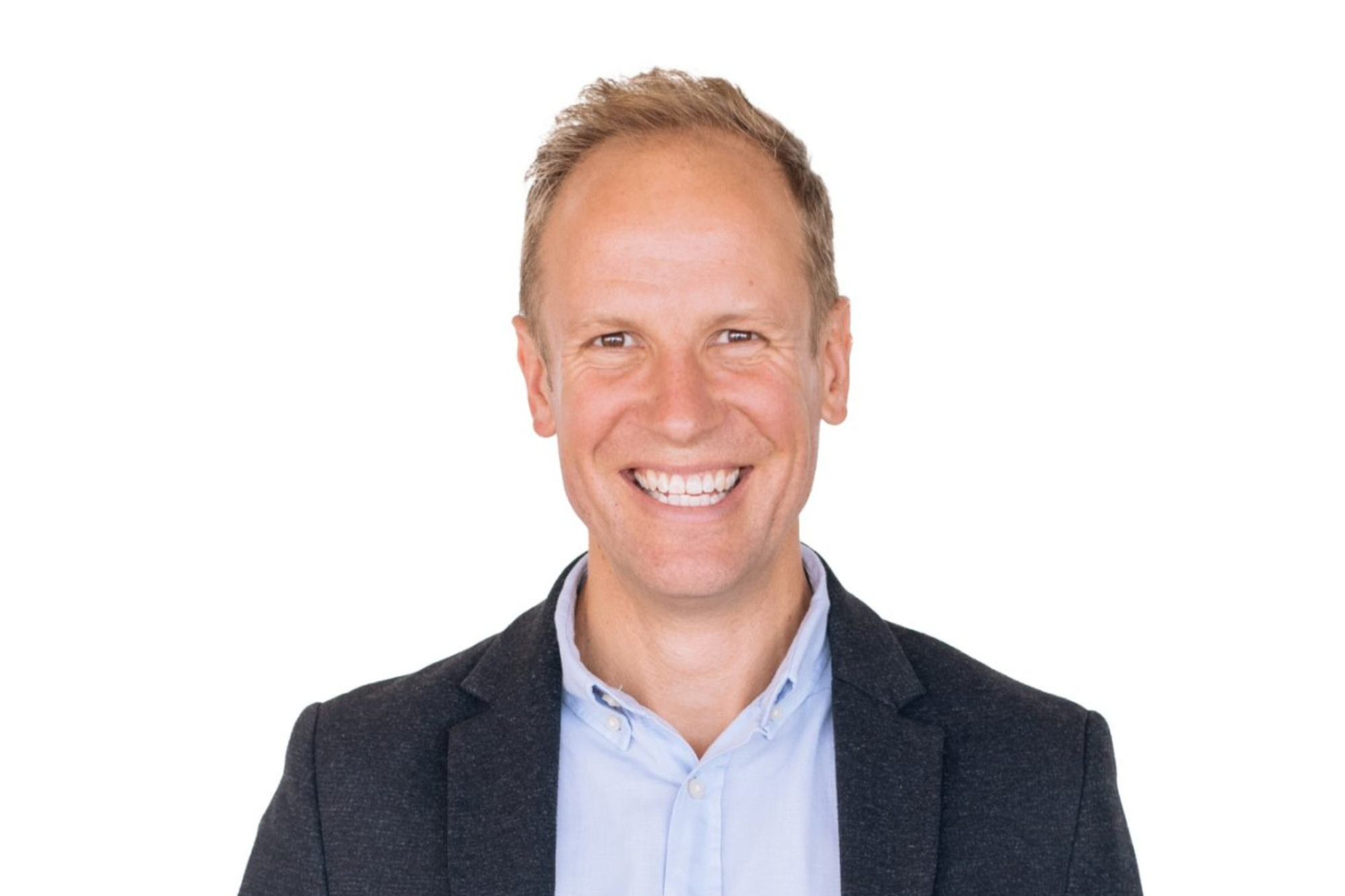
Oxford entrepreneur Jeremy Basset believes artificial intelligence could transform sales – not by replacing salespeople, but by giving them more time to build genuine relationships. As founder of AI sales platform Super Benji, based at Grassroots Workspace, Oxford, Jeremy argues that the next generation of AI should help businesses move away from mass outreach and towards more meaningful conversations.

For years, technology has promised to make sales faster. CRM systems, marketing automation and mass email campaigns have enabled businesses to reach more prospects than ever before. Yet somewhere along the way, sales became a numbers game.

Success was measured by how many emails were sent, how many calls were made and how many names were added to a database. The personal connection at the heart of sales was often replaced by volume.

“The conversation around AI has focused on what jobs it will replace,” says Jeremy. “I think that’s the wrong question. The real opportunity is using AI to help people do their jobs better. In sales, that means giving people back the time to think, prepare and build genuine relationships.”

Jeremy argues that sales has become one of the most misunderstood professions in business, with sales now seen as a dirty word, but every business, every start-up and every innovation depends on somebody being able to sell an idea, a product or a service. Economic growth happens one sale at a time. He believes the UK’s biggest economic challenge isn’t a shortage of innovation, but a shortage of meaningful commercial conversations.

Whilst the cost of generating leads has risen dramatically, response rates continue to fall, leading to businesses spending more to reach customers – effectively becoming a tax on growth.

Customers increasingly expect interactions that feel relevant to their needs, not generic messages sent at scale. Yet much of today’s sales outreach still relies on automated, one-size-fits-all communications that prioritise volume over meaningful engagement.

Research indicates that more advanced personalisation can substantially increase cold email reply rates. Yet Mailshake’s 2025 State of Cold Email report* found that just 5% of respondents said they personalise every email they send, highlighting a gap between recognised best practice and common outreach habits.

“Somewhere along the way, we’ve confused scale with connection,” Jeremy says.

“Technology has helped us contact more people, but it hasn’t necessarily helped us understand them better.”

That philosophy led Jeremy to create Super Benji, an AI-powered platform that automates prospect research, identifies potential customers and crafts highly personalised outreach, allowing sales professionals to spend less time on repetitive administration and more time building relationships.

Rather than encouraging businesses to send thousands of generic emails, Super Benji takes the opposite approach.

“We’re on a mission to stop spam,” Jeremy explains. “We deliberately send fewer messages, but every interaction is more relevant because AI has done the deep research to find the right people, and to engage them in more relevant ways. One client told us, ‘This is more human than my humans.’ That wasn’t because AI replaced people. It was because it helped people communicate more thoughtfully.”

Jeremy believes AI’s greatest contribution to sales isn’t automation – it’s preparation.

There is no disputing that the best salespeople have always researched their customers, understood their challenges and tailored every conversation. AI simply makes that level of preparation possible at scale.

For Jeremy, the implications reach far beyond individual businesses because if sales teams spend less time on admin and more time creating value, businesses grow faster. Growth creates jobs, investment and stronger communities.

“The future isn’t humans versus AI. It’s humans with AI. That’s how we rethink sales for the AI era and that’s how we unlock economic growth.”

As businesses continue to debate whether AI will replace people, Jeremy believes the more important question is this:

What if AI doesn’t replace the human element in sales – but gives us the opportunity to rediscover it?

Back to news

The end of spam? Oxford entrepreneur argues AI should make sales more human

25th Aug 2026
Jeremy1 scaled
Related Company: Oxford Innovation Space

Oxford entrepreneur Jeremy Basset believes artificial intelligence could transform sales – not by replacing salespeople, but by giving them more time to build genuine relationships. As founder of AI sales platform Super Benji, based at Grassroots Workspace, Oxford, Jeremy argues that the next generation of AI should help businesses move away from mass outreach and towards more meaningful conversations.

For years, technology has promised to make sales faster. CRM systems, marketing automation and mass email campaigns have enabled businesses to reach more prospects than ever before. Yet somewhere along the way, sales became a numbers game.

Success was measured by how many emails were sent, how many calls were made and how many names were added to a database. The personal connection at the heart of sales was often replaced by volume.

“The conversation around AI has focused on what jobs it will replace,” says Jeremy. “I think that’s the wrong question. The real opportunity is using AI to help people do their jobs better. In sales, that means giving people back the time to think, prepare and build genuine relationships.”

Jeremy argues that sales has become one of the most misunderstood professions in business, with sales now seen as a dirty word, but every business, every start-up and every innovation depends on somebody being able to sell an idea, a product or a service. Economic growth happens one sale at a time. He believes the UK’s biggest economic challenge isn’t a shortage of innovation, but a shortage of meaningful commercial conversations.

Whilst the cost of generating leads has risen dramatically, response rates continue to fall, leading to businesses spending more to reach customers – effectively becoming a tax on growth.

Customers increasingly expect interactions that feel relevant to their needs, not generic messages sent at scale. Yet much of today’s sales outreach still relies on automated, one-size-fits-all communications that prioritise volume over meaningful engagement.

Research indicates that more advanced personalisation can substantially increase cold email reply rates. Yet Mailshake’s 2025 State of Cold Email report* found that just 5% of respondents said they personalise every email they send, highlighting a gap between recognised best practice and common outreach habits.

“Somewhere along the way, we’ve confused scale with connection,” Jeremy says.

“Technology has helped us contact more people, but it hasn’t necessarily helped us understand them better.”

That philosophy led Jeremy to create Super Benji, an AI-powered platform that automates prospect research, identifies potential customers and crafts highly personalised outreach, allowing sales professionals to spend less time on repetitive administration and more time building relationships.

Rather than encouraging businesses to send thousands of generic emails, Super Benji takes the opposite approach.

“We’re on a mission to stop spam,” Jeremy explains. “We deliberately send fewer messages, but every interaction is more relevant because AI has done the deep research to find the right people, and to engage them in more relevant ways. One client told us, ‘This is more human than my humans.’ That wasn’t because AI replaced people. It was because it helped people communicate more thoughtfully.”

Jeremy believes AI’s greatest contribution to sales isn’t automation – it’s preparation.

There is no disputing that the best salespeople have always researched their customers, understood their challenges and tailored every conversation. AI simply makes that level of preparation possible at scale.

For Jeremy, the implications reach far beyond individual businesses because if sales teams spend less time on admin and more time creating value, businesses grow faster. Growth creates jobs, investment and stronger communities.

“The future isn’t humans versus AI. It’s humans with AI. That’s how we rethink sales for the AI era and that’s how we unlock economic growth.”

As businesses continue to debate whether AI will replace people, Jeremy believes the more important question is this:

What if AI doesn’t replace the human element in sales – but gives us the opportunity to rediscover it?

Back to news